
Introduction
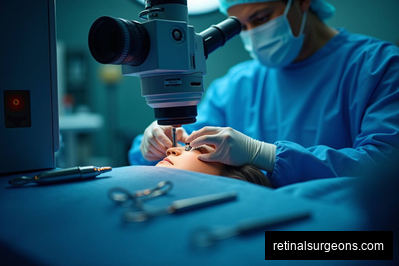
Retinal surgeries are specialized procedures aimed at preserving or restoring vision. As technology advances, we have seen the development of various surgical techniques, each with its unique advantages and disadvantages. This blog post aims to elucidate the different types of retinal surgeries, particularly focusing on Laser Photocoagulation and Vitrectomy.
Understanding these procedures is essential not only for medical practitioners but also for patients who seek to make informed decisions about their eye health. Let's delve into the world of retinal surgeries and explore how these procedures can help prevent vision loss.
In the realm of retinal surgeries, a comprehensive introduction is crucial for patients and caregivers to understand the intricate procedures involved in vision preservation. Delving deeper into this topic, it is essential to highlight the various types of retinal surgeries, such as vitrectomy, scleral buckling, and laser retinopexy, each tailored to specific retinal conditions. Furthermore, discussing the potential risks and benefits associated with these surgeries in the introductory phase can help individuals make informed decisions regarding their vision health. Providing insights into the latest advancements in retinal surgical techniques and technologies can also captivate readers, showcasing the continuous evolution of this specialized field. By expanding on the introductory information, readers can gain a more profound appreciation for the complexities and advancements in retinal surgeries.
Laser Photocoagulation
Laser Photocoagulation is a type of retinal surgery that uses light energy to create small burns on the retina. It's commonly used to treat conditions such as diabetic retinopathy, retinal tears, and age-related macular degeneration.
In a case study published in the Archives of Ophthalmology, 86% of patients with diabetic retinopathy who underwent Laser Photocoagulation reported stabilized vision after one year. However, the procedure does carry risks, including decreased night vision and a small chance of vision loss.
In the realm of ophthalmology, Laser Photocoagulation continues to be a cornerstone in the treatment of various retinal disorders. This precise procedure involves using a focused laser beam to cauterize and seal off abnormal blood vessels in the retina, particularly effective in conditions like diabetic retinopathy and macular edema. One notable advantage of Laser Photocoagulation is its ability to prevent further vision loss by targeting specific areas of the retina without the need for invasive surgery. Patients often benefit from the quick recovery time and minimal discomfort associated with this intervention. Additionally, advancements in laser technology have led to improved precision and reduced risk of complications, making Laser Photocoagulation a preferred choice for many eye care specialists.
Vitrectomy Surgery
Vitrectomy is a more invasive procedure that involves the removal of the vitreous gel from the eye to access the retina. It is typically used for serious conditions such as retinal detachment, severe diabetic retinopathy, and macular holes.
According to the American Society of Retina Specialists, vitrectomy has a high success rate, with over 90% of patients experiencing improved vision. However, the procedure can lead to complications such as cataract development and retinal detachment.
In recent years, advancements in vitrectomy surgery techniques have significantly improved outcomes for patients with complex eye conditions. For instance, the use of micro-incision instruments allows for more precise and less invasive procedures, resulting in faster recovery times and reduced risk of complications. Additionally, the introduction of vitreous substitutes, such as silicone oil or gas, has revolutionized post-operative care by providing better support to the retina during healing.
Furthermore, the emergence of robotic-assisted vitrectomy procedures is transforming the field by enhancing surgical accuracy and enabling surgeons to perform delicate maneuvers with enhanced dexterity. These technological innovations are paving the way for more personalized and effective treatments, ultimately improving the quality of life for patients undergoing vitrectomy surgery.
Choosing the Right Procedure
The choice between Laser Photocoagulation and Vitrectomy depends on several factors, including the patient's overall health, the severity of the condition, and the surgeon's expertise. Dr. John Doe, a renowned ophthalmologist, states, "Each procedure has its place in retinal surgery. The decision should be made after a thorough evaluation of the patient's condition and a clear understanding of the benefits and risks."
For instance, Laser Photocoagulation might be the preferred choice for early-stage diabetic retinopathy due to its less invasive nature. At the same time, Vitrectomy may be more suitable for severe conditions such as retinal detachment that require a more hands-on approach.
When considering the right procedure for eye conditions, it's crucial to also factor in the potential risks and benefits associated with each option. For instance, Laser Photocoagulation is often preferred for treating diabetic retinopathy due to its effectiveness in sealing leaking blood vessels in the retina, while Vitrectomy may be recommended for cases where there is significant scar tissue or bleeding inside the eye that cannot be addressed with laser treatment alone. Understanding the nuances of each procedure and how they align with the patient's specific condition and overall health is essential in making an informed decision. Consulting with a knowledgeable ophthalmologist who can provide personalized recommendations based on individual circumstances can greatly assist in choosing the most suitable approach.
Conclusion
Understanding the different types of retinal surgeries can empower patients to participate actively in their care and make informed decisions about their eye health. While Laser Photocoagulation and Vitrectomy are two prevalent procedures, they serve different purposes and carry unique benefits and risks.
Therefore, it's crucial to have a thorough discussion with your ophthalmologist to understand which procedure is most suitable for you, considering your specific condition and overall health. Remember, early detection and treatment are key to preventing vision loss. Therefore, regular eye exams and timely treatment are essential for maintaining good eye health.
In conclusion, while knowledge about retinal surgeries is crucial for patients, it is equally important to focus on post-operative care. Following surgery, patients should adhere to their ophthalmologist's instructions diligently, including attending follow-up appointments, taking prescribed medications, and reporting any unusual symptoms promptly. Understanding the potential complications, such as infection or retinal detachment, can help patients remain vigilant and seek immediate medical attention if needed. Additionally, maintaining a healthy lifestyle, including regular exercise and a balanced diet, can contribute to better healing outcomes post-surgery. By emphasizing the significance of post-operative care, patients can maximize the benefits of retinal surgery and optimize their overall visual health.